North Africa through Amazigh history
Ancient roots.Living cultures.
A place to understand the peoples, languages and histories of the Imazighen—from North African kingdoms to living communities around the world.
Independent, source-linked history. Regional differences, uncertain evidence and corrections stay visible.
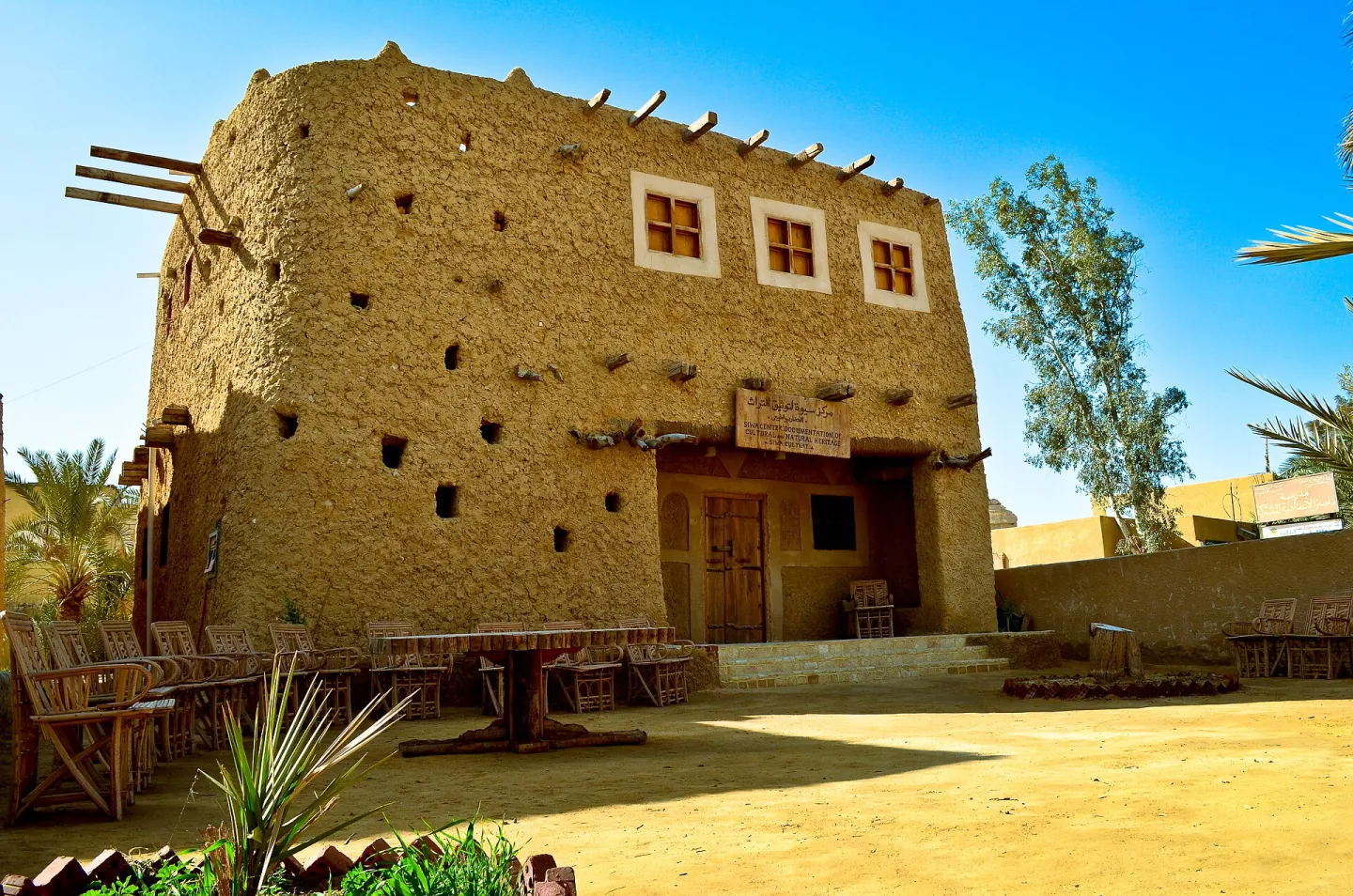
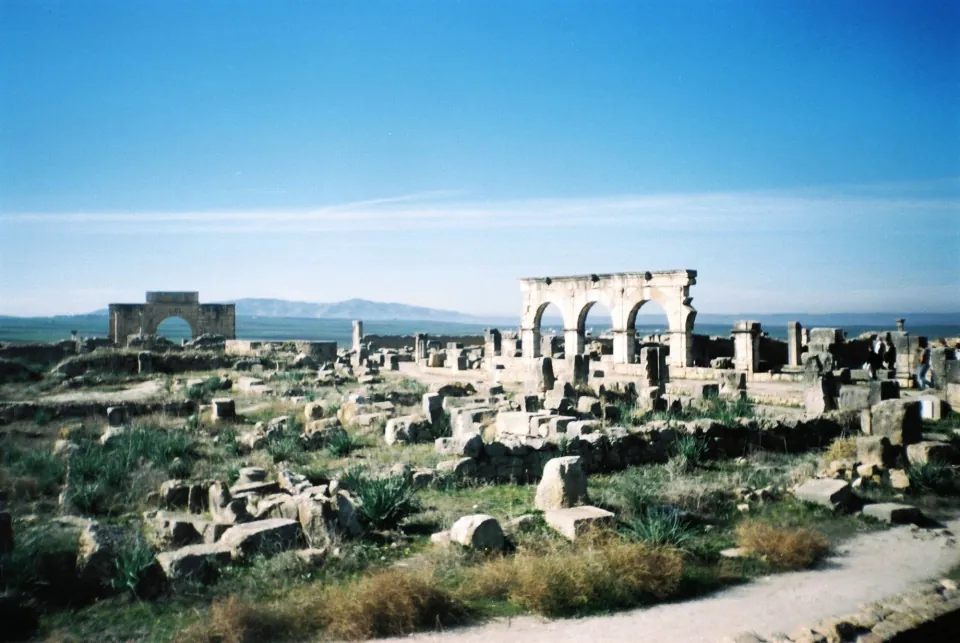
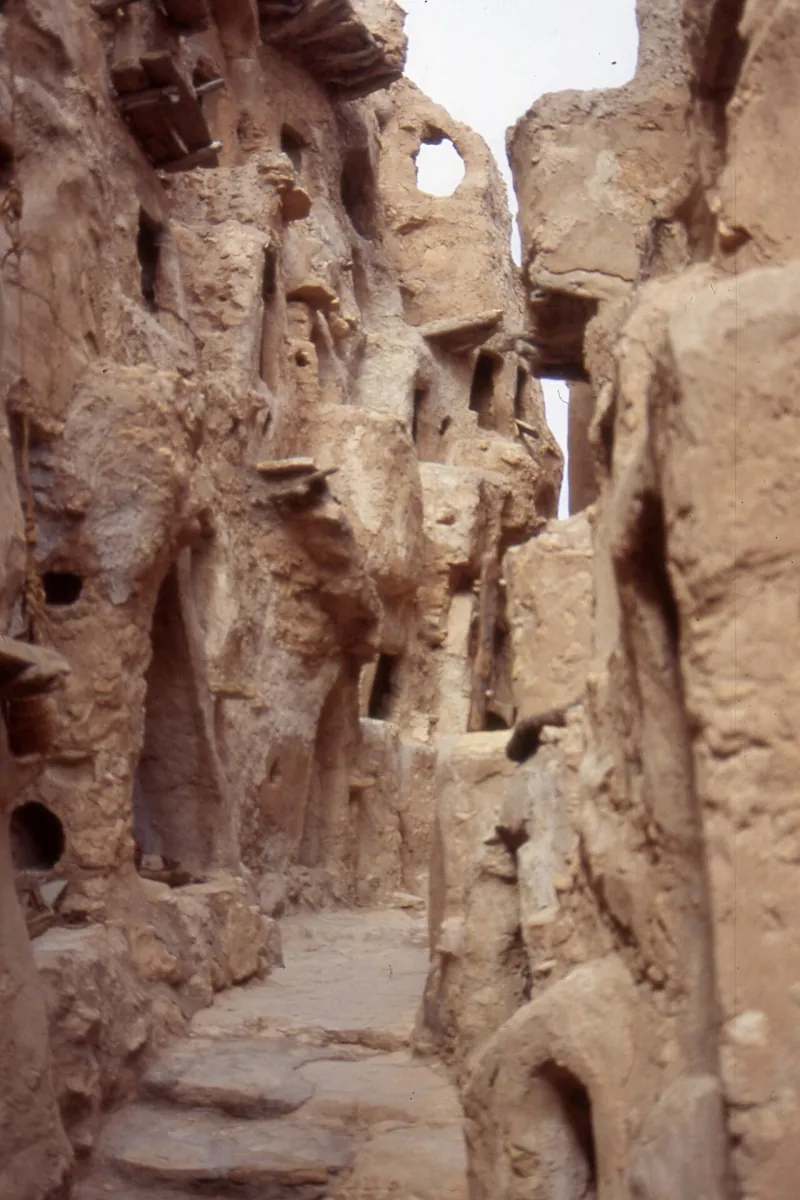
History
Trace turning points and follow the evidence behind them.
Explore →Peoples & places
Explore regional identities without flattening their differences.
Explore →Languages
Understand varieties, scripts and the many meanings of Tamazight.
Explore →Names
Browse recorded forms and see what a source does—and does not—establish.
Explore →Begin with three good questions
A clear way into a complex story.
Names, geography and chronology: a short introductory reading path before you choose your own direction.
From the reading room
Culture · Published
Ahidus: Singing and Moving Together in the Atlas
Explore Ahidus through collective singing, frame drums, regional variations and the documented changes between communal gatherings and festival stages.
Read this story →Lives behind the history
A poem. A voice. A trace in stone.
Meet writers, performers and scholars alongside the rulers and resistance leaders. A biography is a way into a wider history, not a label that settles someone’s identity.
Si Mohand ou Mhand
Kabyle poet whose travelling life, remembered verses and later editions connect colonial disruption with a lasting oral and written repertoire.
Explore the life →Jean Amrouche
Poet, translator, editor and broadcaster who brought Kabyle songs and long literary conversations into French-language publishing and radio.
Explore the life →Slimane Azem
Kabyle singer and poet whose recordings connected labour migration, exile, political criticism and the continuing life of oral poetry.
Explore the life →Fatima Tabaamrant
Tashelhit-language poet, singer and troupe leader whose public work connects musical creation, women’s experience and Amazigh cultural recognition.
Explore the life →Mouloud Mammeri
Novelist, anthropologist and language scholar whose literary work and study of oral poetry became central to the modern Amazigh cultural movement.
Explore the life →Masuna
A ruler attested by a Latin inscription at Altava in 508, a window into government after Roman imperial authority in western North Africa.
Explore the life →A shared heritage, many communities
Regional names matter.
Travel through the directory without mistaking a starting selection for a complete map of Amazigh life.
Amazigh names directory
A name is a question worth exploring.
Historical associations are not lexical meanings. Our directory now separates what is recorded, what is independently checked and what still needs review.
Use what you learn
Read a source. Question a map. Try a new script.
Five printable activities turn the reading into questions you can investigate yourself.
Enter the learning room →